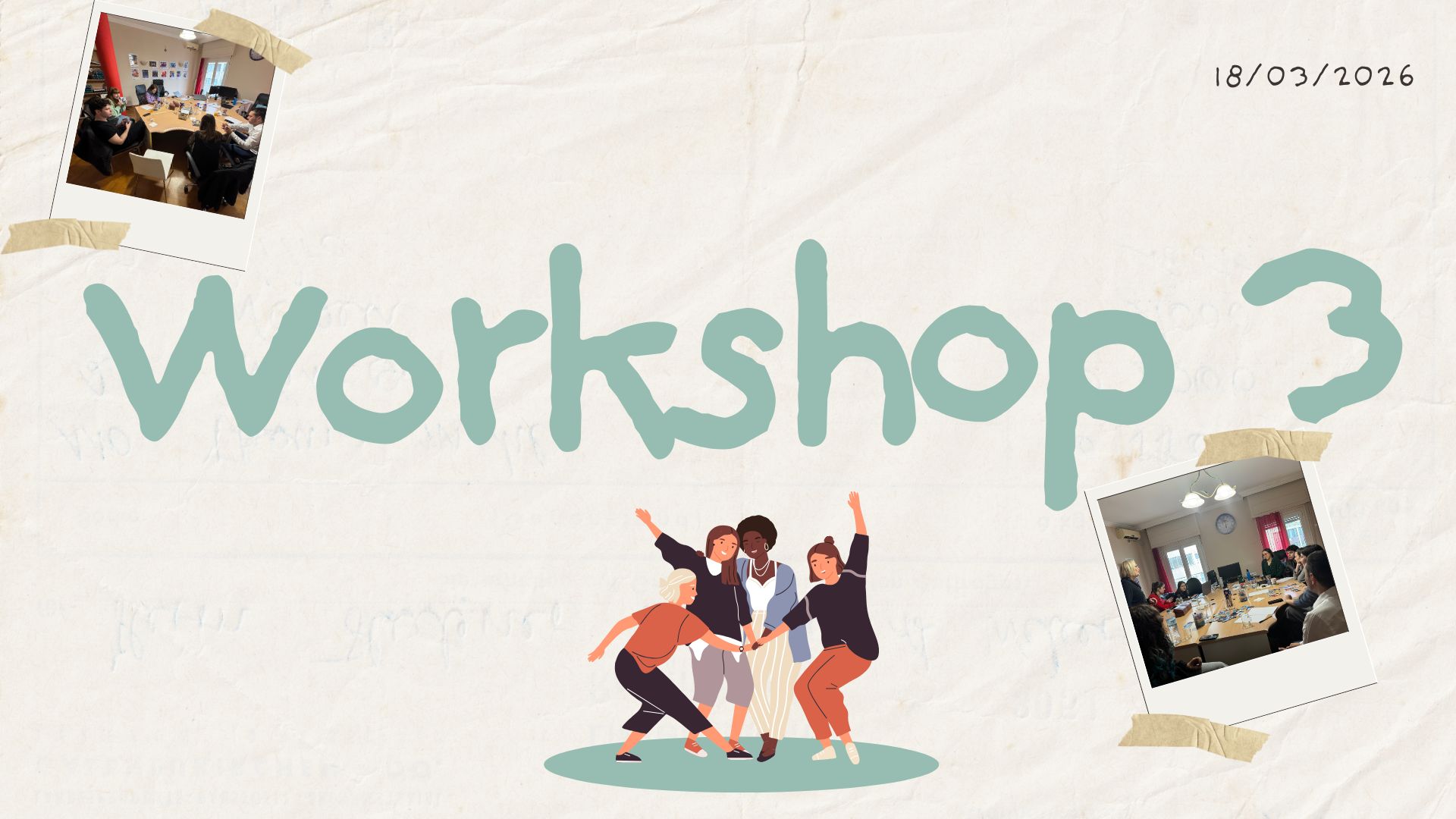
EKO's Youth Club: Workshop on Environmental Awareness & Media Literacy
The journey of the EKO Youth Club continued with its third workshop, maintaining the same vibrant and engaging energy as the first session. This time, participants came together to explore a topic of growing importance for young people today: environmental concerns and the way these issues are communicated in the media. Within the safe and open environment established from the beginning, the group engaged in meaningful discussions about climate change, sustainability, and the challenges of navigating environmental information in the digital age.
Understanding Concerns and Questioning Information
The session began with participants sharing their thoughts and personal concerns about environmental issues affecting their lives and communities. Topics such as climate anxiety, pollution, and the future of natural resources sparked an honest exchange of perspectives. Despite coming from different backgrounds, participants quickly found common ground in their concerns and their desire to contribute to a more sustainable future.
Building on this, the workshop shifted towards understanding how environmental information is presented and sometimes distorted. Through interactive discussions, participants explored the concept of disinformation and how misleading or exaggerated environmental news can influence public perception and behavior. By examining examples and reflecting on their own media consumption habits, they developed a more critical approach to evaluating information and distinguishing reliable sources from misleading narratives.
Creative Expression through Storytelling
To deepen this understanding, the group moved into a creative phase of the workshop, using storytelling and other artistic methods as tools for expression. Participants worked collaboratively to create short stories and visual narratives that reflected environmental challenges while also addressing the issue of misinformation.
This process encouraged them not only to express their concerns but also to reframe environmental messages in a more responsible and impactful way. Through storytelling, they explored how narratives can shape opinions, raise awareness, and inspire action when used thoughtfully and ethically.
Looking Ahead
As the session came to a close, participants left with a stronger sense of awareness, both about environmental challenges and the importance of critical thinking in the digital world. The workshop strengthened their ability to engage with environmental topics in an informed and creative way, while also reinforcing the importance of collaboration and open dialogue.
The group moved forward with new skills, fresh perspectives, and a shared motivation to become more conscious consumers and creators of information, ready to contribute positively to conversations around sustainability and environmental responsibility.